
Unveiling the Mysteries of Stainless Steel Filter Mesh
Release time:
2025-08-30
Discover the common questions surrounding stainless steel filter mesh, its uses, and benefits.
What is Stainless Steel Filter Mesh?
Ah, the stainless steel filter mesh! A marvel of modern engineering, it's like the unsung hero of various industries. Made from high-quality stainless steel, this mesh is designed to filter out unwanted particles, making it an essential component in many applications—from water treatment to food processing.
Why Use Stainless Steel Filter Mesh?
Now, you might be wondering, "Why stainless steel?" Well, hold onto your hats because the benefits are impressive! First off, stainless steel is known for its durability and resistance to corrosion. This means that the filter mesh can withstand harsh environments, making it a long-lasting solution. Plus, it's easy to clean, ensuring that you maintain optimal performance over time.
Common Applications
Stainless steel filter mesh isn't just for one purpose; it's versatile! Here's a quick rundown of where you might spot it:
- Water filtration systems
- Food and beverage processing
- Oil and gas industries
- Aerospace applications
- Pharmaceutical manufacturing
Frequently Asked Questions
Alright, let's dive into the nitty-gritty! Here are some common questions folks have about stainless steel filter mesh.
1. What sizes are available?
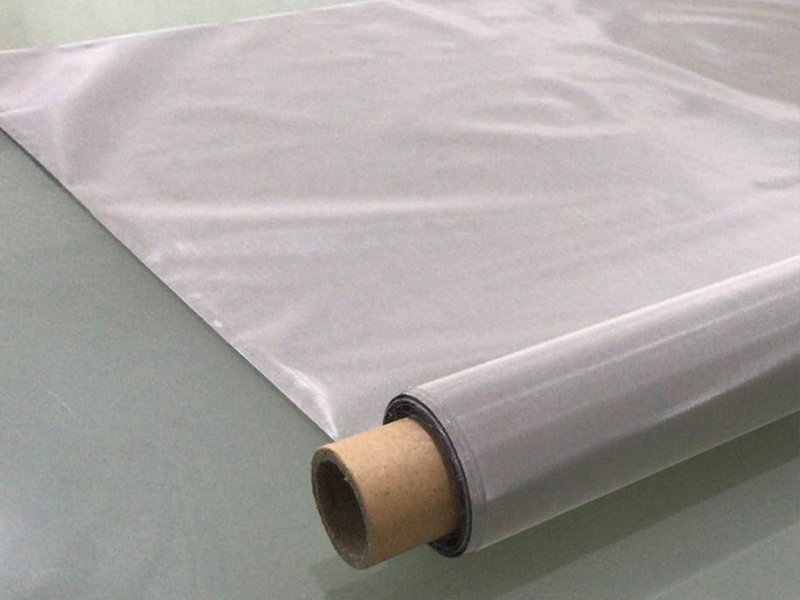
Sizes? Oh, they come in all shapes and sizes! Usually, you can find stainless steel filter mesh in rolls or sheets, ranging from fine to coarse mesh. The choice depends on your specific filtration needs. It's like picking the right tool for the job!
2. Is it safe for food processing?
Absolutely! Stainless steel filter mesh is food-safe, making it perfect for the food industry. Just make sure it meets the relevant industry standards, and you're good to go!
3. How do I clean it?
Cleaning is a breeze! Most of the time, you can simply rinse it with water. For more stubborn residues, a mild detergent can do the trick. Just be careful not to scratch the surface—after all, we want that durability to last!
Selecting the Right Filter Mesh
Feeling overwhelmed? Don't fret! Selecting the right stainless steel filter mesh boils down to understanding your needs. Consider factors like:
- Particle size you need to filter
- Flow rate
- Environment (temperature, chemicals, etc.)
- Mesh thickness and diameter
Expert Tips
Here's a nugget of wisdom: always consult with a supplier or industry expert. They can guide you in choosing the right mesh, ensuring you don't end up with a filter that's too fine or too coarse for your needs. It's worth the time!
The Bottom Line
So there you have it, folks! The stainless steel filter mesh is a fantastic product that comes with a multitude of benefits for various industries. With its durability, ease of cleaning, and versatility, it's no wonder it's a go-to choice for many. Whether you need it for water filtration, food processing, or any other application, understanding your requirements will help you make the best decision.
In a nutshell, if you're in the market for a reliable filter, look no further than stainless steel filter mesh! It's truly a game-changer.
You can also learn more about industry trends

2025-03-12
Applications of seat-type nets

2025-03-12
Material and weaving method of stainless steel filter mesh
2025-03-12
Applications of stainless steel filter mesh
2025-03-12
Main characteristics of stainless steel filter mesh





Phone/Whatsapp:
E-mail: