
Woven Wire Mesh: Key Considerations for Practical Applications
Release time:
2025-05-06
Explore essential tips and insights onwoven wire mesh, its applications, and considerations when using it.
Woven Wire Mesh: Key Considerations for Practical Applications
When it comes to construction or DIY projects, woven wire mesh pops up as a go-to solution for a variety of needs. Whether you're looking to create a fence, a sturdy screen, or even some industrial applications, understanding the ins and outs of this versatile material is crucial. So, let’s dive into the nitty-gritty!
What is Woven Wire Mesh?
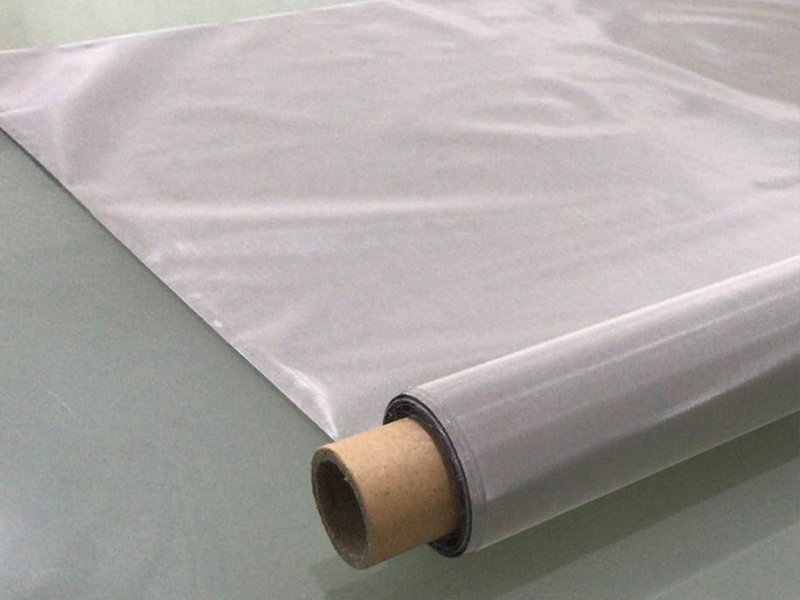
First things first, what exactly is this woven wire mesh? It’s essentially a network of wires that are woven together to form a grid-like pattern. Think of it like a giant spider web, only much stronger and more useful! This mesh can be made from various materials, including stainless steel, aluminum, and even plastic, depending on the intended use.
Applications of Woven Wire Mesh
Here’s where it gets interesting! The uses for woven wire mesh are practically endless. From residential fencing to industrial sieves, it’s a staple in many industries:
- Fencing: Perfect for keeping critters out of your garden or providing containment for livestock.
- Safety Screens: Ideal for protecting machinery and providing safety barriers.
- Filtration: Used in water treatment and food processing to filter out impurities.
- Architectural Design: A trendy option for modern buildings, offering both aesthetic appeal and functionality.
Key Considerations When Using Woven Wire Mesh
Now, before you rush off to your nearest hardware store, there are a few considerations to keep in mind:
1. Material Selection
Choosing the right material is half the battle. Think about the environment where the woven wire mesh will be placed. For instance, stainless steel is fantastic for outdoor use due to its corrosion resistance, while plastic mesh might be more suitable for temporary applications.
2. Wire Gauge
The thickness of the wire, or gauge, plays a crucial role in the durability and strength of the mesh. A lower gauge means a thicker wire, which usually translates to more strength. So, if you’re planning on a heavy-duty application, don’t skimp on the wire gauge!
3. Mesh Size
Another point to ponder is the size of the mesh openings. Smaller openings are great for preventing smaller debris from passing through, while larger openings can allow for more airflow. Just make sure to pick the right size for your specific needs.
4. Assembly and Installation
Let’s face it, even the best woven wire mesh won’t do you any good if it’s not installed correctly. Make sure you have the right tools and perhaps a buddy to help you out. Always measure twice and cut once!
Maintenance Tips
Once your mesh is up and running, it’s essential to keep it in tip-top shape. Regular cleaning and inspections can help prolong its lifespan. Look out for rust, loose wires, or any signs of wear and tear. A little TLC goes a long way!
Conclusion
In conclusion, woven wire mesh is a fantastic material that can serve a multitude of purposes. By considering the factors mentioned above and selecting the appropriate type for your project, you’ll ensure that yourwoven wire mesh serves you well for years to come. So, roll up your sleeves and get started on that project!
You can also learn more about industry trends

2025-03-12
Applications of seat-type nets

2025-03-12
Material and weaving method of stainless steel filter mesh
2025-03-12
Applications of stainless steel filter mesh
2025-03-12
Main characteristics of stainless steel filter mesh





Phone/Whatsapp:
E-mail: