
Unraveling the Wonders of Woven Wire Mesh: A Deep Dive into Its Working Principle
Release time:
2025-05-05
Discover the fascinating working principle ofwoven wire mesh and its diverse applications in various industries.
What is Woven Wire Mesh?
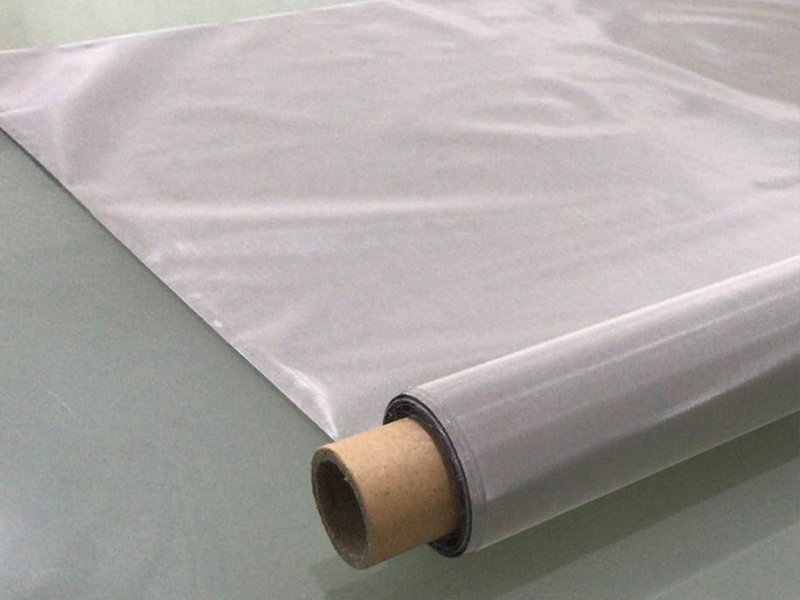
Ever stumbled upon the term woven wire mesh and wondered what the fuss is all about? Well, you're in for a treat! Woven wire mesh is a versatile material made by interlacing wires in a crisscross pattern, creating a sturdy yet flexible mesh. It's like fabric, but made from metal—perfect for various applications!
The Anatomy of Woven Wire Mesh
So, how does this remarkable material come together? Picture a net. Each wire, whether made from stainless steel, aluminum, or another metal, is woven together to form a grid. The size of the openings can vary, allowing for different uses—from filtering to fencing. The beauty ofwoven wire mesh lies in its adaptability!
How Does It Work?
Now, let’s get to the nitty-gritty of its 工作原理 (working principle). The basic idea is simple: the interwoven wires create a robust structure that can bear weight and withstand pressure while allowing for airflow and light to pass through. Think of it as a solid wall with plenty of windows!
Applications Galore!
Woven wire mesh isn’t just pretty to look at; it’s highly functional too. Here are some common applications:
- Filtration: Used in water treatment and industrial processes,woven wire mesh acts as a filter, separating solids from liquids.
- Construction: It’s often used in concrete reinforcement, adding strength to structures.
- Agriculture: Farmers use it for fencing to keep livestock in and predators out.
- Architecture: Designers love it for its aesthetic appeal, using it in facades and interior designs.
Why Choose Woven Wire Mesh?
With all these applications, you might be wondering whywoven wire mesh is such a popular choice. Well, here’s the scoop! It’s durable, cost-effective, and easy to maintain. Plus, it offers flexibility in design and function that many other materials simply can’t match.
The Benefits of Woven Wire Mesh
Let’s break down the perks, shall we?
- Durability: With proper maintenance,woven wire mesh can last for decades.
- Versatility: It can be customized to fit various needs and industries.
- Cost-Effective: It’s generally cheaper than other materials with similar capabilities.
- Lightweight: Despite its strength, it’s surprisingly light, making it easy to handle.
Maintenance Tips
To keep yourwoven wire mesh in tip-top shape, regular cleaning is key. A simple rinse with water can remove dirt and debris, but for tougher stains, a mild detergent can do wonders. Just make sure to dry it properly to prevent rust, especially if it’s made from steel.
Conclusion: The Future of Woven Wire Mesh
As industries evolve, so does the use ofwoven wire mesh. With advancements in technology, we’re bound to see even more innovative applications. Who knows? The next time you encounter this fantastic material, you might just be witnessing a cutting-edge solution in action!
So, whether you’re considering it for construction, filtration, or even artistic purposes,woven wire mesh is a material worth exploring. It’s not just about its working principle; it’s about the endless possibilities it offers!
You can also learn more about industry trends

2025-03-12
Applications of seat-type nets

2025-03-12
Material and weaving method of stainless steel filter mesh
2025-03-12
Applications of stainless steel filter mesh
2025-03-12
Main characteristics of stainless steel filter mesh





Phone/Whatsapp:
E-mail: