
Unraveling the Versatility of Woven Wire Mesh: A Comprehensive Guide
Release time:
2025-05-05
Discover the myriad applications and benefits ofwoven wire mesh in various industries.
Introduction to Woven Wire Mesh
Ever heard ofwoven wire mesh? If not, you’re in for a treat! This versatile material has been quietly making waves across various industries, from construction to agriculture. Let’s dive into what it is, its applications, and why it’s become a go-to solution for so many.
What is Woven Wire Mesh?
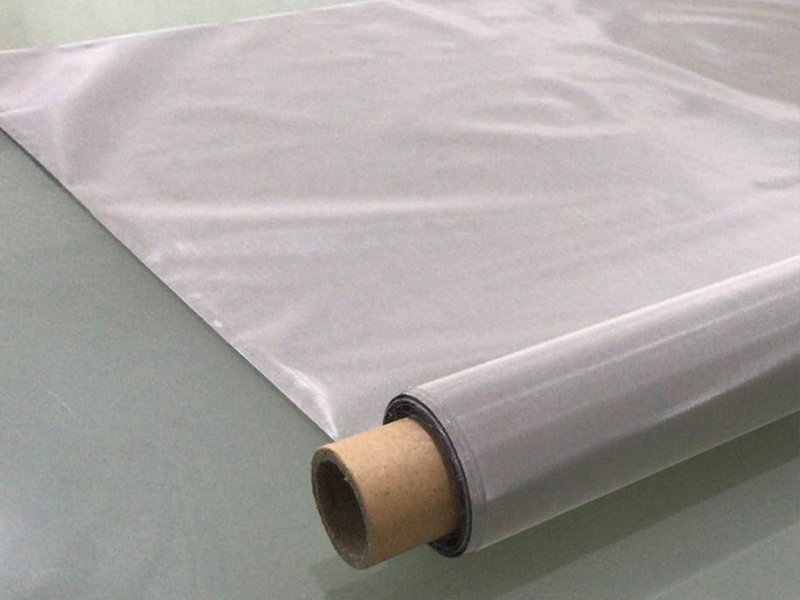
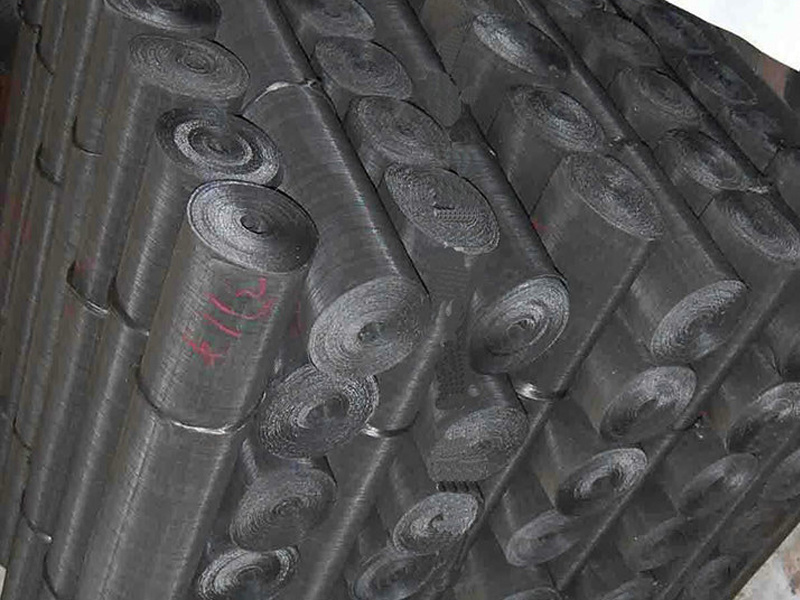
In simple terms,woven wire mesh is a fabric made from metal wires that are woven together in a grid pattern. It’s durable, flexible, and can be customized to meet a range of specifications. You can find it in different materials, including stainless steel, aluminum, or even copper, depending on your needs.
Why Choose Woven Wire Mesh?
So, why would you opt forwoven wire mesh over other materials? Well, there are a few compelling reasons! First off, it’s incredibly strong. Imagine a product that can withstand heavy loads and harsh conditions—this is it! Secondly, its versatility is unmatched. Whether you need it for filtration, fencing, or decorative purposes, it has you covered.
Key Benefits
- Durability: Built to last,woven wire mesh can resist rust and corrosion.
- Customizability: It can be easily tailored to fit specific needs.
- Eco-friendly: Made from recyclable materials, it’s a sustainable choice.
- Cost-effective: Its longevity means fewer replacements, saving you money in the long run.
Applications of Woven Wire Mesh
Now, let’s talk about where you might seewoven wire mesh in action. Buckle up, because this is where it gets interesting!
1. Construction and Architecture
In the construction world,woven wire mesh is a staple. It's often used in concrete reinforcement, ensuring that buildings maintain their structural integrity. Plus, it can be aesthetically pleasing when used in architectural designs!
2. Agriculture
Farmers are all about efficiency, andwoven wire mesh fits the bill perfectly. It’s commonly used for fencing livestock, as it keeps animals contained while allowing air and light to pass through.
3. Filtration
Need to filter out materials? Woven wire mesh is your best friend. It’s utilized in various industries, from water treatment to food processing, ensuring that only the desired materials pass through.
4. Security
With rising concerns about security,woven wire mesh is often used in fencing and barriers. It provides a visible deterrent while maintaining visibility and airflow, making it a practical choice for both residential and commercial properties.
Installation Tips
Thinking about installingwoven wire mesh? Here are a few tips to ensure a smooth process:
- Measure Twice: Always ensure you have accurate measurements before cutting your mesh.
- Choose the Right Tools: Depending on the mesh thickness, you may need specific tools for installation.
- Secure Properly: Ensure that your mesh is firmly anchored to avoid sagging or movement.
Conclusion
In a nutshell,woven wire mesh is a versatile and invaluable material that deserves a spot in your toolkit. Its durability and range of applications make it a top choice for various industries. So, whether you’re a DIY enthusiast or a professional, considerwoven wire mesh for your next project—it's bound to impress!
You can also learn more about industry trends

2025-03-12
Applications of seat-type nets

2025-03-12
Material and weaving method of stainless steel filter mesh
2025-03-12
Applications of stainless steel filter mesh
2025-03-12
Main characteristics of stainless steel filter mesh





Phone/Whatsapp:
E-mail: