
Demystifying Stainless Steel Filter Mesh: Common Questions Answered
Release time:
2025-05-02
Explore the ins and outs of stainless steel filter mesh, addressing common questions and concerns.
Introduction to Stainless Steel Filter Mesh
Hey there! If you’ve ever been in a jam trying to figure out what stainless steel filter mesh is and why it's all the rage, you’re not alone. This nifty material has taken the industrial world by storm, and for good reason! Let’s dive right into some common questions that pop up like popcorn at a movie!
What Exactly is Stainless Steel Filter Mesh?
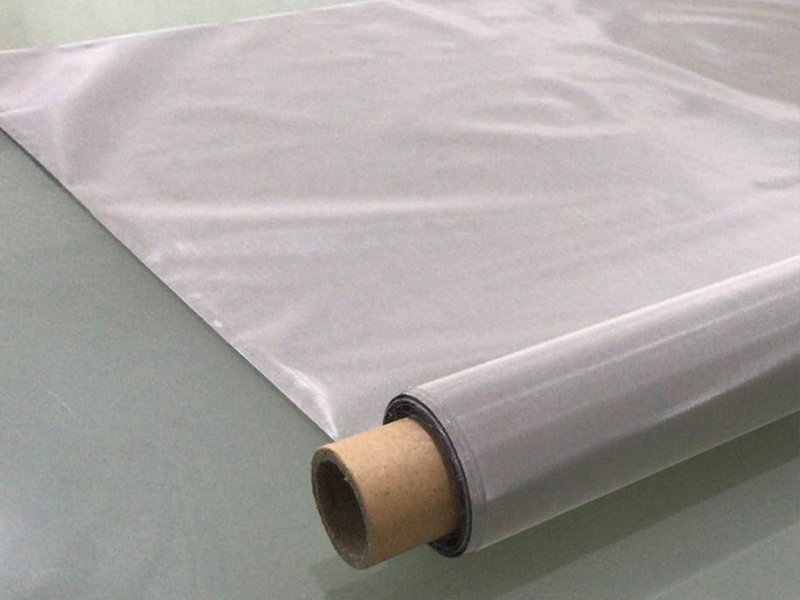
Alright, let’s break it down. Stainless steel filter mesh is a type of woven mesh made from stainless steel wire. It’s designed for filtration purposes, which means it helps separate solids from liquids or gases. Think of it as a high-tech strainer that doesn’t rust or corrode easily. You can find it in various industries, from food processing to petrochemicals, making it a versatile player in many fields.
Why Choose Stainless Steel Over Other Materials?
Great question! You might be wondering, “Why not just use regular plastic or aluminum?” Well, here’s the scoop: stainless steel is durable, resistant to temperature extremes, and doesn’t react with most chemicals. This means it can handle nasty environments without breaking a sweat. Plus, it’s easy to clean, which is a major win in industries that prioritize hygiene.
What Applications Use Stainless Steel Filter Mesh?
Oh boy, the list is long! You’ll find this filter mesh in:
- Food and Beverage Processing
- Water Treatment
- Oil and Gas Industries
- Aerospace Engineering
- Pharmaceuticals
Talk about a jack-of-all-trades! Each of these fields has its own specific requirements, but stainless steel filter mesh rises to the occasion every time.
How Do I Choose the Right Stainless Steel Filter Mesh?
Choosing the right filter mesh can feel like trying to find a needle in a haystack. But fear not! Consider the following factors:
- Mesh Size: The size of the openings can greatly affect filtration efficiency. Smaller openings capture finer particles.
- Wire Diameter: Thicker wires provide increased strength, while thinner wires allow for better flow rates.
- Material Grade: Different grades of stainless steel offer varying levels of corrosion resistance.
So, make sure to assess your specific needs before purchasing!
Is Stainless Steel Filter Mesh Easy to Maintain?
You bet it is! Maintaining stainless steel filter mesh is like giving your car a wash. Regular cleaning will keep it in tip-top shape. You can use a soft brush and mild detergent or even a pressure washer for tougher grime. However, avoid harsh chemicals that might damage the mesh over time.
What Are the Common Problems Associated with Stainless Steel Filter Mesh?
While stainless steel filter mesh is pretty robust, it’s not invincible. Here are a few hiccups you might encounter:
- Clogging: If not maintained properly, fine particles can build up.
- Corrosion: Though resistant, certain conditions can still lead to rust.
- Mechanical Damage: Mishandling or excessive force can lead to deformation.
But don’t fret! Most of these issues can be easily managed with proper care.
Conclusion: The Bottom Line on Stainless Steel Filter Mesh
In a nutshell, stainless steel filter mesh is a game-changer for various industries, offering durability and efficiency that other materials simply can’t match. Whether you’re in food processing or chemical manufacturing, investing in a quality stainless steel filter mesh can make all the difference. So, go ahead and make an informed choice!
Final Thoughts
Got more questions? Drop them in the comments! Let’s keep the conversation rolling. After all, knowledge is power!
You can also learn more about industry trends

2025-03-12
Applications of seat-type nets

2025-03-12
Material and weaving method of stainless steel filter mesh
2025-03-12
Applications of stainless steel filter mesh
2025-03-12
Main characteristics of stainless steel filter mesh





Phone/Whatsapp:
E-mail: