
Filtering Excellence: The Versatility of Stainless Steel Filter Mesh
Release time:
2025-04-30
Explore the applications and benefits of stainless steel filter mesh in various industries.
What is Stainless Steel Filter Mesh?
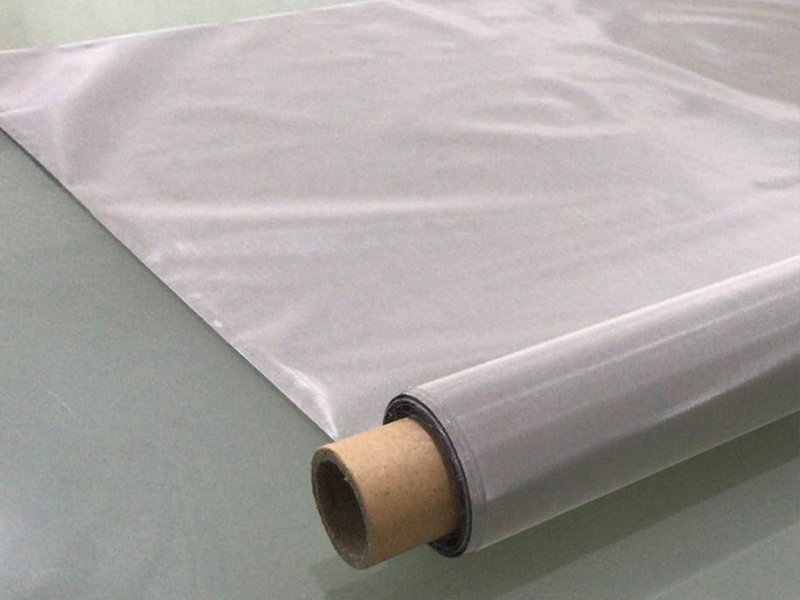
Alright, let’s dive right in! Stainless steel filter mesh, also known as woven wire mesh, is a game-changer in the filtration world. Made from durable stainless steel, this mesh is designed to separate liquids and solids efficiently. Whether it’s in a food processing plant or a chemical manufacturing facility, its applications are endless!
Why Choose Stainless Steel?
Now, you might be wondering, why stainless steel? Well, let me tell you, this material offers a heap of advantages:
- Durability: Stainless steel withstands harsh conditions—think heat, corrosion, and pressure.
- Easy to Clean: It’s a breeze to maintain, which is crucial in industries where hygiene is non-negotiable.
- Versatility: Available in various mesh sizes and configurations, it can be tailored to fit nearly any application.
Applications in Various Industries
Let’s break it down! Here are some industries that have embraced this nifty material:
1. Food and Beverage Industry
In the food industry, cleanliness is king! Stainless steel filter mesh is commonly used in brewing, wine-making, and even in dairy processing. It ensures that only the finest ingredients make it to the final product—no contaminants allowed!
2. Chemical Processing
When it comes to chemicals, safety is paramount. Stainless steel filter mesh provides a reliable way to separate and filter out impurities, ensuring that the final chemical product meets quality standards.
3. Water Treatment
Water treatment plants rely heavily on filtration systems, and guess what? Stainless steel filter mesh plays a vital role here as well! It helps in removing suspended solids, protecting pumps and other equipment.
Benefits of Using Stainless Steel Filter Mesh
Here’s the kicker—using stainless steel filter mesh can lead to significant cost savings in the long run. You’re investing in a product that lasts longer, reduces downtime, and minimizes replacement costs. It’s a win-win!
Installation and Maintenance Tips
Now that you know the benefits, let’s chat about installation and maintenance. First off, ensure that the mesh fits snugly in its designated area—no gaps! Next, regular cleaning is key. A simple rinse with warm water and mild detergent can work wonders.
The Future of Filtration
As industries evolve, so does the need for advanced filtration solutions. With ongoing innovations in stainless steel filter mesh technology, the future looks bright! From improved mesh designs to enhanced materials, we’re just scratching the surface.
Conclusion
So, there you have it! Stainless steel filter mesh is not just another filtration tool; it’s a reliable partner in ensuring quality across various industries. Whether you’re in food processing, chemical manufacturing, or water treatment, this versatile material has something to offer. Don’t hesitate to give it a try—you won’t be disappointed!
You can also learn more about industry trends

2025-03-12
Applications of seat-type nets

2025-03-12
Material and weaving method of stainless steel filter mesh
2025-03-12
Applications of stainless steel filter mesh
2025-03-12
Main characteristics of stainless steel filter mesh





Phone/Whatsapp:
E-mail: